AI Memory That Works Across Apps: Why Yours Doesn't
By the SoulChat Team · 2026-11-22
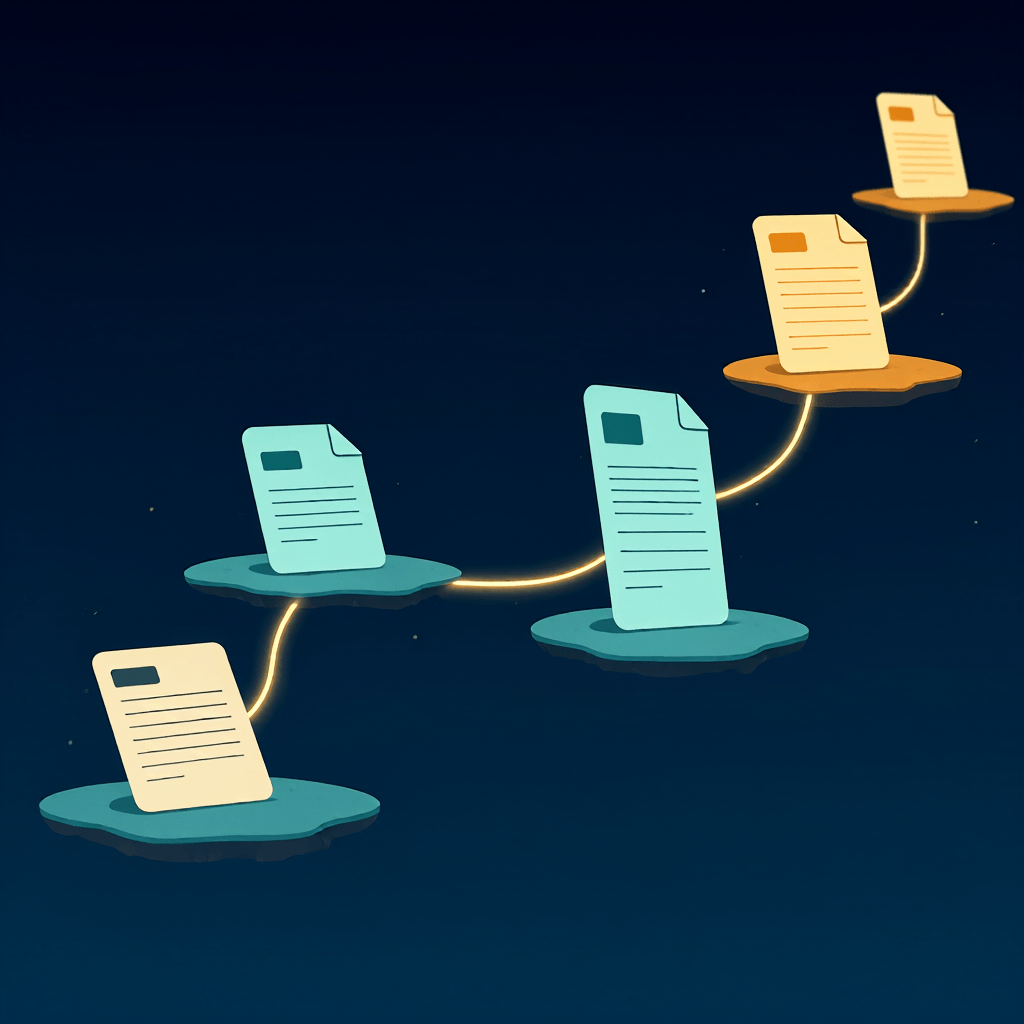
Target: ai memory that works across apps
Short answer: for AI companion apps, a memory that follows you across apps barely exists yet. Your memories live inside whichever app you're using, locked to that account, in a format the company controls. When you leave, you start over.
That frustration is real, and it's not just a companion-app problem. A developer writing under the name benkelly put it plainly in a November 2026 blog post about his own setup: "Every new AI chat starts from zero." He was retyping the same personal context into Claude, into OpenCode, on his phone, on his laptop — the exact same loop companion-app users know too well.
What's interesting is what he built next, because it shows what memory that works across apps could actually look like — and why the apps you chat with every day haven't gotten there yet.
The Problem: Your Context Is Hostage to One App
If you've spent months talking to an AI companion, you've accumulated something valuable without noticing it. It knows your job situation, the friend drama you processed in October, how you take your coffee, what you're afraid of, what you decided about your relationship. That context is the difference between a chat that feels like catching up with someone and a chat that feels like filling out an intake form.
Then one of three things happens: the app shuts down (this year gave people plenty of reasons to worry about that), you find something better, or the app changes in a way you don't like. You migrate — and the new app knows nothing. You spend the first week re-explaining yourself to a stranger who is supposed to be the same person.
This is why "does it remember me" has quietly become the first question people ask before committing to any companion app. Memory quality inside one app matters enormously — we've written a full guide on what actually matters in an AI companion that remembers you. But memory that survives switching apps is a different problem, and nobody has solved it.
What "Memory Across Apps" Actually Means
It helps to separate three things people blur together:
1. Memory within one app. The app remembers your conversations across sessions. This is table stakes in 2026, and quality varies wildly — some apps genuinely reference last month's conversations, others "remember" five facts and recycle them.
2. Exportable memory. You can download your chat history and memory files and take them with you. This exists in a few apps, usually as a data export buried in settings. But an export is a ZIP file, not a relationship — the new app can't necessarily use what you exported.
3. A shared memory layer. One memory store that multiple different AI tools all read from and write to. You tell one tool something, and the others know it too. This is the version that actually solves the problem, and it's what the open-source world is now experimenting with.
Companion apps have mostly nailed (1), occasionally offer (2), and almost universally don't offer (3).
The Open-Source Answer: One Memory for All Your Tools
Benkelly's project, called Mentat, is a small but complete proof of concept for level 3. He published the write-up on November 4, 2026, along with a public template anyone can copy.
The design is deliberately unglamorous. There's no database and no AI magic — just a private git repository of short linked markdown notes: one file about who he is and how he likes replies written, folders for ongoing areas of life, projects, people, and a monthly log of things that happened. Notes link to each other with wiki links, and he edits them in Obsidian like any other notes folder.
The clever part is the plumbing. A small Cloudflare Worker serves those notes over MCP — the open protocol that lets AI tools call external tools — so Claude and OpenCode can read the same memory from any device. Five functions do all the work: read one note, search notes, list notes, follow links between notes, and read the latest log.
The write path is the most instructive design decision. Chats can propose additions, but they go through pull requests. Log entries auto-merge after sitting quiet for 72 hours; anything touching the core "who I am" note waits for human approval. His reason is worth quoting: "I don't want a chat writing straight into the notes every other chat trusts." A single poisoned memory, injected by a manipulated chat, would contaminate every tool that reads the store afterward.
That's a lesson companion apps should steal. Memory you can't inspect and correct isn't intimacy — it's a black box with your life in it.
Why Companion Apps Are Different
Here's the part where an honest write-up has to draw a line: companion memory is not the same problem as productivity memory, and the Mentat model doesn't transplant cleanly.
Mentat stores facts about work: what Robin is working on, what was decided last week, how replies should be formatted. That's structured, low-stakes, easy to put in a file. If a new tool reads it cold, it works fine — context is context.
A companion's memory is different in kind. What makes an AI girlfriend or AI companion feel like yours isn't a list of attributes; it's the texture built up over hundreds of conversations — in-jokes, the way she reacted to your bad week, the nicknames, the emotionally loaded moments. Even if you exported every conversation transcript, the new app's model and persona wouldn't reproduce the same relationship from that raw material. Memory files are the skeleton; the relationship lives in how the specific system uses them.
There's also a business reason nobody rushes to solve this. Memory is the strongest lock-in an app has. An app that says "your memories port freely to our competitors" is asking you to hold it to a much higher standard, because you can leave with everything. Don't expect portable memory to arrive as a gift from the market — expect it to arrive as an export format, a standard, or user pressure. For now, treat memory as something you rent, not something you own.
How to Test an App's Memory Before You Commit
Since cross-app memory isn't here yet, the practical move is to find out before investing months how well an app remembers and what happens if you leave. Ten minutes of testing tells you more than any review:
Test 1 — the small fact. Early in a chat, mention something small and specific but emotionally ordinary: your sister's name, that you're renovating a bathroom, that you hate your commute. Two or three sessions later, ask casually: "do you remember what I said about my sister?" Apps with real memory retrieve it naturally. Apps with fake memory either deflect or confabulate.
Test 2 — the continuity check. Reference something you said and see whether the app builds on it or treats it as new information. Strong memory systems don't just store; they connect. "You mentioned the bathroom reno — did the tile come in?" is the difference between a memory feature and a memory marketing claim.
Test 3 — the exit check. Before subscribing, look for the export option and read what it actually contains: full transcripts, or just a summary? Can you delete memories individually? Is there a way to see what the app thinks it knows about you? An app confident in its memory lets you inspect it. We've covered what to look for in choosing among AI companion apps by use case.
If an app fails all three, no discount is worth six months of memories you can't keep.
The Honest Limits
A few things this article can't promise, stated plainly:
There is no standard yet. MCP is a real open protocol and Mentat is a real working example — but both are developer tools for productivity workflows. No companion app today reads from a shared external memory store, and no two companion apps export memory in a compatible format. If a blog post or app claims otherwise, ask for a demo.
Portability won't fix bad memory. If an app's memory is thin inside its own walls, an export of thin memories is still thin. Cross-app portability is a bonus on top of good memory, never a substitute.
Memory isn't understanding. Even a perfect memory layer doesn't make an AI companion a person who needed to remember you. It's retrieval plus a persona, and part of the comfort these apps provide comes precisely from that — someone who never gets tired of your context. Whether that's enough for you is a fair question to ask, and for some people and some stretches of life, it genuinely is; for others it isn't, and knowing which one you are matters more than any feature checklist.
Your memories can outlive the app's interest in them. If a company shuts down or gets acquired, memory files become data in someone's bankruptcy estate. Export early and often — not because you plan to leave, but because you should be able to.
Where This Is Heading
The pieces exist. Open protocols for tool access, plain files you own, write paths that respect the user's judgment — all demonstrated, all copyable, all MIT-licensed in Mentat's case. What's missing is a companion app deciding that user-owned, portable memory is a feature worth building rather than a moat worth defending. Given how many users migrated apps against their will this year, the first mainstream companion that treats your memory like your data — inspectable, exportable, correctable — will earn a loyalty that lock-in never buys.
Until then: test memory before you commit, export what you can, and don't re-explain yourself to any app you wouldn't trust to keep it. If you're evaluating where to invest that time, start with how an app handles memory inside its own walls — our AI companion guide walks through what good memory actually looks like in practice.
ai memoryai companionmemory portabilityswitching appsmcp